
I like Points because they stick into things.
I believe every organisation needs a point, a sharp definition of its purpose that will stick in people’s minds.
This means making a choice about what that one point is, but choosing what that one point is can be fiendishly hard. When I ask clients to define what they do in a single sentence – they usually respond with: “that’s impossible – it depends on products, target audience, territories, campaigns etc”. All valid and all have their place, but the role of the brand is to sit above the minutiae, and be relevant for every part of the organization.
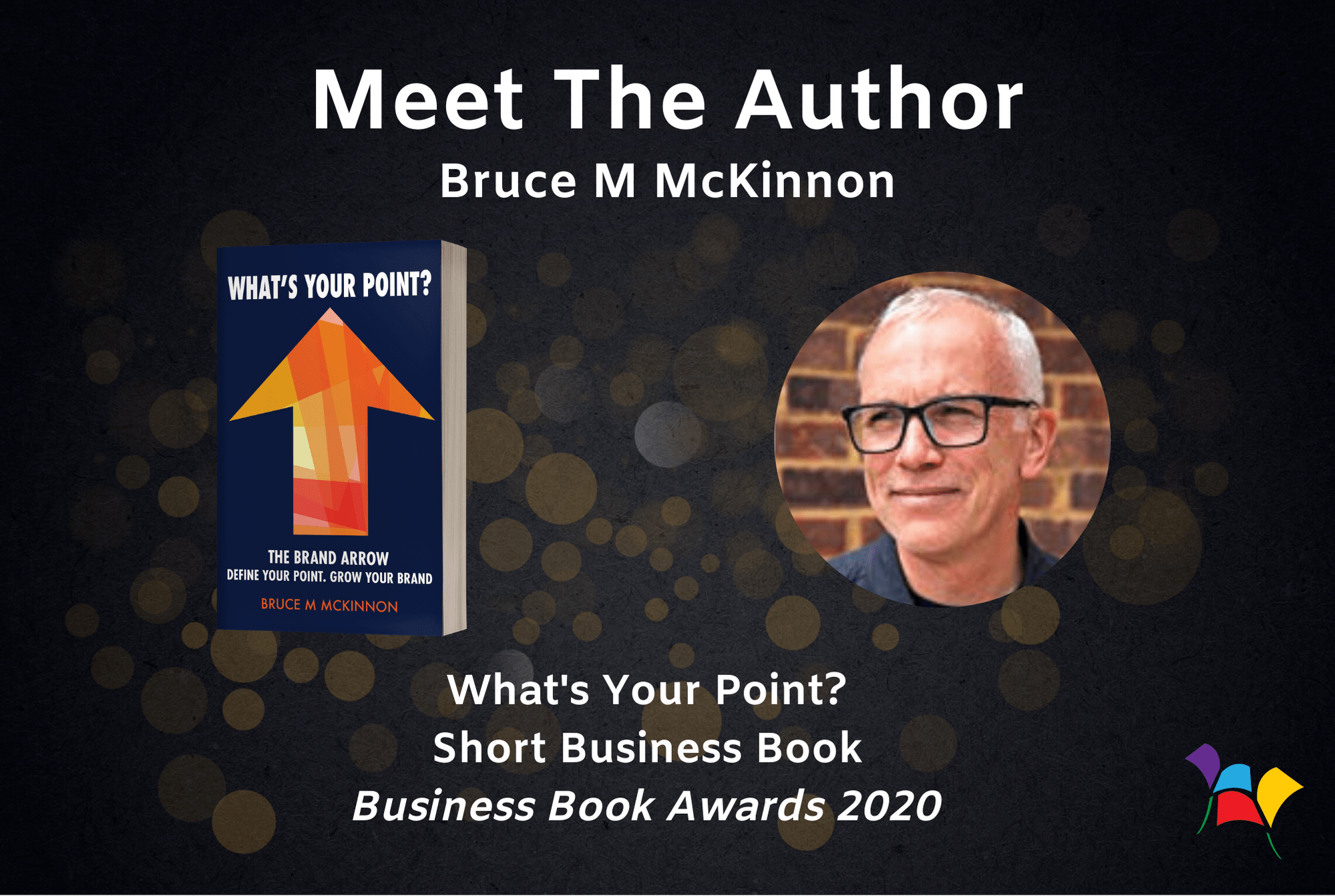
So, to meet this need I founded Mission Brand in 2009 and developed a brand strategy tool that would help clients discover and then define their point. After using that framework on over 50 assignments in the US and Europe, across B2B and B2C clients from a wide range of sectors I decided to put the framework into a book. Unsurprisingly, the book is called ‘What’s Your Point?’!
The book introduces the reader to the benefits a brand strategy and provides the means of developing their own. Written in non-technical language that can be understood by anybody in an organisation, the book draws on my first-hand experience of working with clients on brand strategy projects as well as business theory, real life case studies and practical guidance. The questions asked in the book are logical, universal and clear – and the answers it requires the reader to consider should provide great value and direction.
Spread over 15 chapters and 50,000 words, the book defines what a brand strategy is, as distinct from a brand or branding and then goes on to define the key elements that make up a brand strategy. It then looks at how brand strategy can be used to meet an organisation’s challenges like – what’s our messaging and will it grow the business? How do we define our audiences and ensure they are the right ones? How do we know our current marketing is the best way of representing what we do?
The final part of the book introduces the Brand Arrow tool. This provides a logical structure for the reader to house the elements of the brand strategy. Each chapter will ask the reader to consider two questions that once answered will enable the Brand Arrow to be completed and applied to their own organisation. The arrow is a useful metaphor for delivering a point and so the framework is based on the structure of an arrow.
I wrote it for small to medium size enterprises (SME’s) that have an established business and want to ensure their assets are being used to maximum effect and that their resources are being invested in the most efficient way possible. Although the book is aimed at businesses, it is entirely possible to apply the thinking to any organisation that seeks to engage an audience – charities, churches, campaign organisations etc.
The book is also for entrepreneurs and start-up businesses who are looking to ‘sense-check’ their ideas, and to make sure their offer is both relevant to their buyers and differentiated from what’s already in the market. It can be used to inform their launch plans and demonstrate due diligence to potential investors.
I launched the book at a conference in Silicon Valley early October and carried out a number of events in the UK throughout the remainder of the month including the UK launch in my local Waterstones. Since the launch I have been invited to speak at a number of business schools and networking events, and as well receiving a silver medal from the US based Axiom Business Book Awards.


Recent Comments